
Assembly & Secondary Processing
Secondary processing refers to additional operations performed on a product after primary manufacturing or production processes. These processes are used to refine, enhance, or modify the product to meet specific requirements or add value to the final product.
- All uploads are secure and confidential
Our Secondary Processing Capabilities
If you require custom metal parts, look no further than Dimud. As a reputable die casting service manufacturer, we have been assisting customers since 1995. Our commitment to excellence is evident in our high standard of engineering team and top-notch equipment, resulting in the consistent delivery of robust and long-lasting parts and prototypes. We take great pride in maintaining rigorous die casting processes to guarantee exceptional quality and to meet your specific requirements. Allow us to highlight two die casting capabilities that we offer.
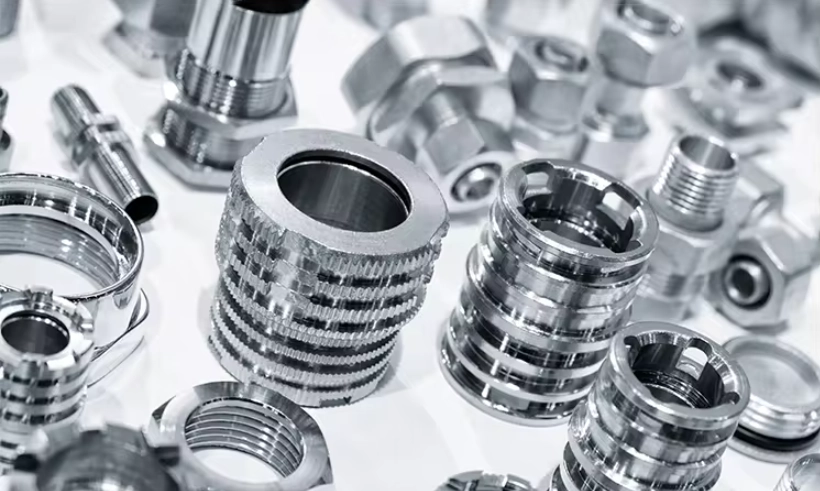
Chrome plating
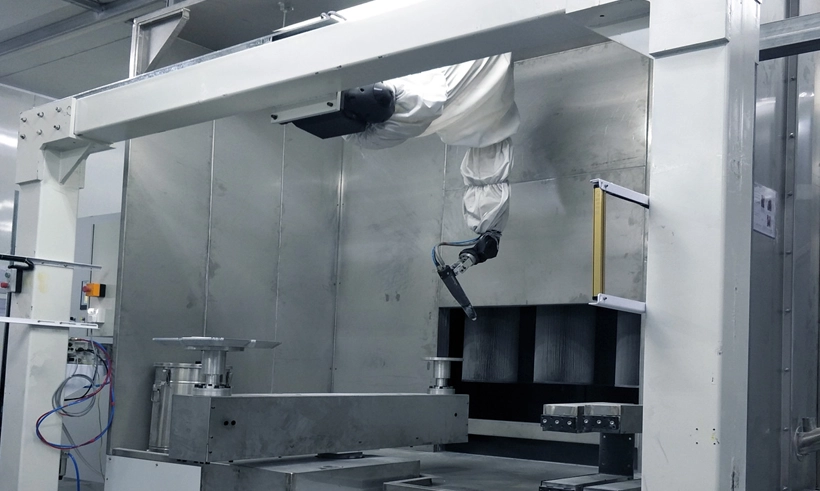
Painting
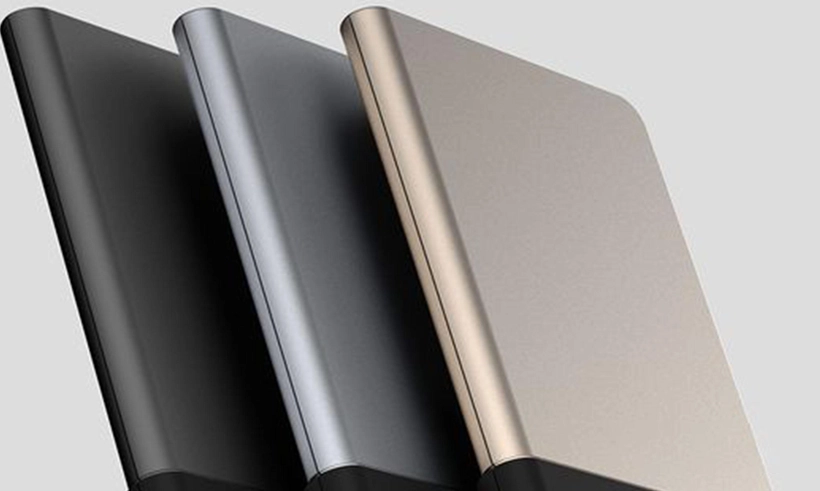
Soft Touched Painting
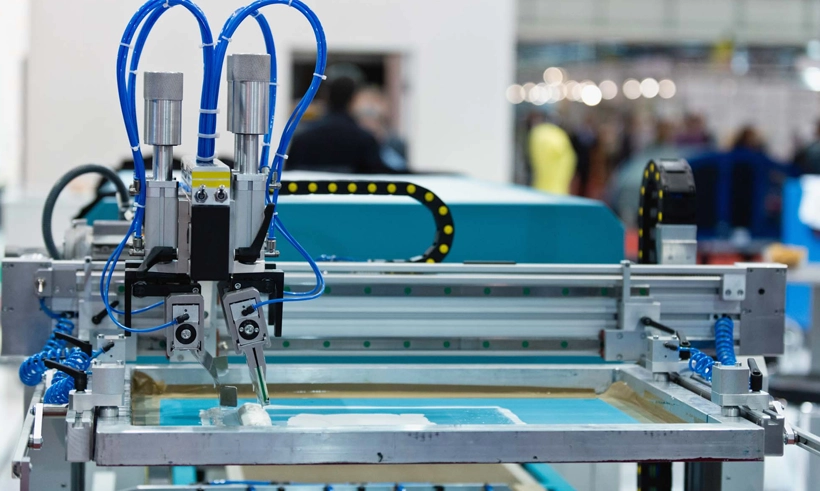
Silk printing
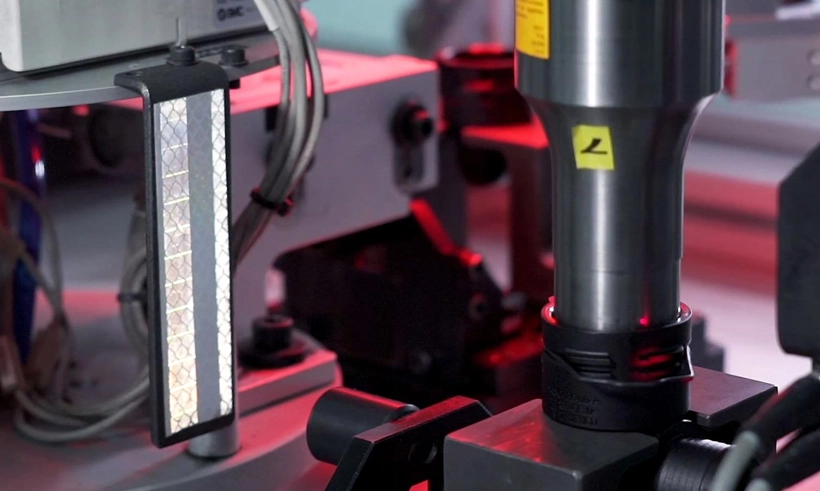
Ultrasonic welding
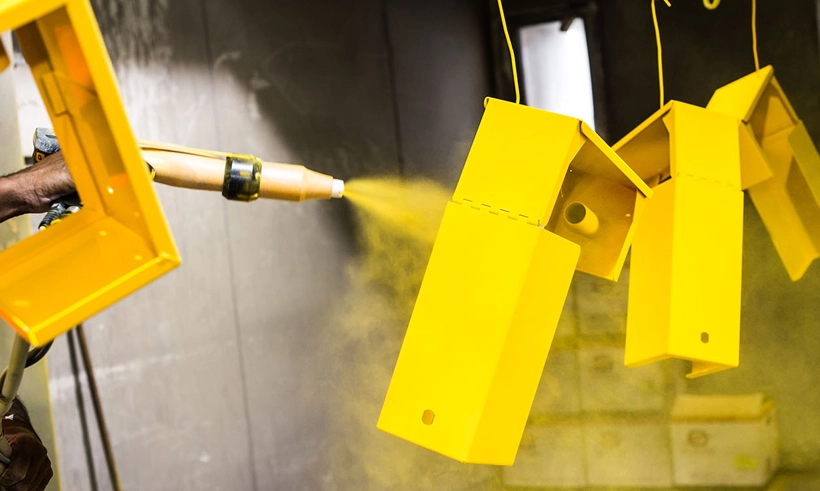
Powder coated
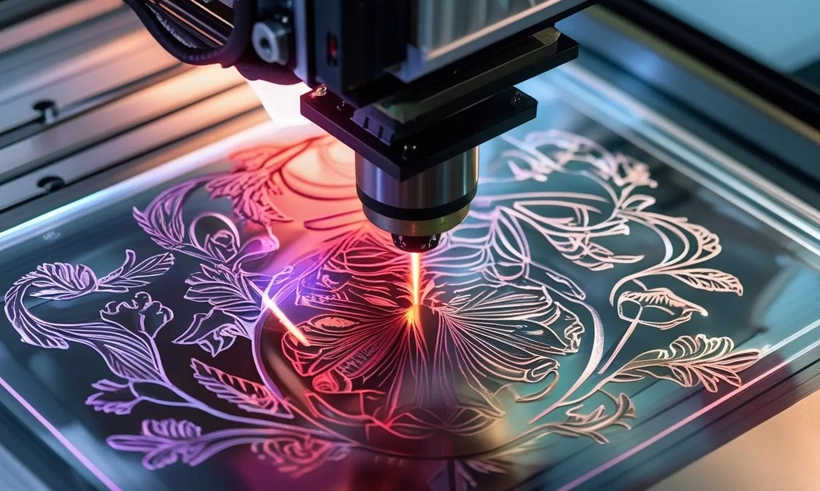
Laser etching
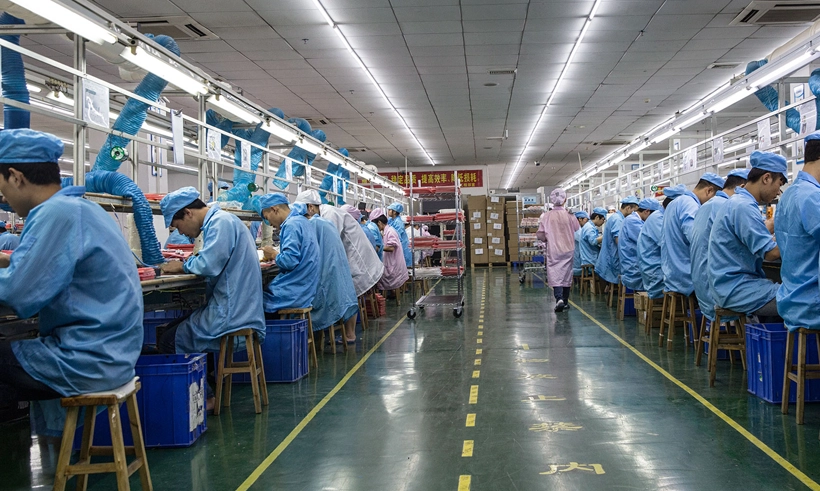
Assembly
Our Secondary Processing Capabilities
At Dimud, we offer exceptional quality customized rapid prototyping of various parts. Whether you are looking for CNC machining, 3D Printing, or die-casting prototyping, we ensure the prototype parts are made with the best quality material under expert surveillance.
No MOQ
We offer no minimum order quantity (MOQ) policy to fulfill customers’ demands from prototyping to low-volume production. With the fastest turnaround, we ensure you get your prototypes cheaply.
Consistent High Quality
With quality control certifications, we follow a rigorous inspection process to ensure the products are manufactured with consistent industrial quality and precision. We perform dimensional verification to ensure error-free production.
Strong Manufacturing Capabilities
Dimud is a one-stop solution with strong manufacturing capabilities and quality manufacturing processes. From prototyping your designs to production and final assembly, Kemal is a one-stop solution for all manufacturing needs.
Fast Lead Time
To meet the on-demand production, we provide the fastest lead time of within 7 days with production specialties, such as advanced equipment, qualified technicians, and tracked development process.
Warranty & After-Sales
We offer reliable warranty services to ensure you are satisfied with the quality and functionality of delivered products. Moreover, with one-on-one assistance, we provide after-sales services for product troubleshooting and improvements.
24/7 Engineering Support
If you need assistance choosing materials, surface finishes, and design optimization, Kemal is your top choice. We provide 24/7 engineering support to ensure you select the proper tooling and material for your production.
Our Secondary Processing Capabilities
We source rapid prototyping of more than 60 plastic and metal materials.
Silk Printing
Silk printing uses manual or photographic plate making to create screens with blocked non-image areas. Ink is transferred to substrates via squeegee pressure, forming patterns. It features simple operation, low cost, strong adaptability, and thick ink layers with good adhesion.
Suitable for various materials and uneven surfaces, it supports monochrome and color printing, is light-resistant, flexible, and widely used for posters, labels, textiles and more.
Pad Printing
Pad printing is an indirect, special printing method ideal for decorating 3D and small objects with fine patterns.
It uses etched plates: ink fills the engraved areas, excess is wiped off. A silicone head picks up the ink from the plate and transfers it onto the workpiece.
Major applications include advertising and the automotive industry, used on speedometers, control knobs, radio panels and more.
Heat Transfer Printing
Heat transfer printing uses heat and pressure to transfer patterns from heat-resistant film to materials.It includes traditional (for mass production) and digital (for small-batch custom products).
Patterns are printed on special transfer film, then applied via heat press to leather, fabric, metal, plastic, etc.It supports full-color printing, needs no plate making, and causes no material damage.
Main types: film transfer and sublimation transfer.
Water Transfer Printing
Water transfer printing uses water to transfer patterns from PVA film or paper to substrates via water pressure.
The process includes film printing, priming, activation, transfer, washing, drying and coating.
It suits almost any shape and material like ceramic, wood, metal, avoiding direct printing issues.
Eco-friendly and non-damaging to surfaces, it achieves better decoration than direct printing.
Painting
Painting is an industrial surface coating process, mainly for plastics, often combined with silk printing and pad printing. It must pass high temperature, friction, UV, alcohol and gasoline tests.
It improves appearance with various colors, protects and extends product life, and covers molding defects like flow lines and weld lines. It includes soft touch painting and rework technology.
Powder coating
Heat transfer printing transfers patterns to materials via heat and pressure. It has traditional for mass production and digital for small-batch customization. Patterns are printed on special film, then applied with a heat press to leather, fabric, metal, plastic and more. It supports full-color printing, needs no plate making, and won’t damage materials. Main types: film transfer and sublimation transfer.
FAQ
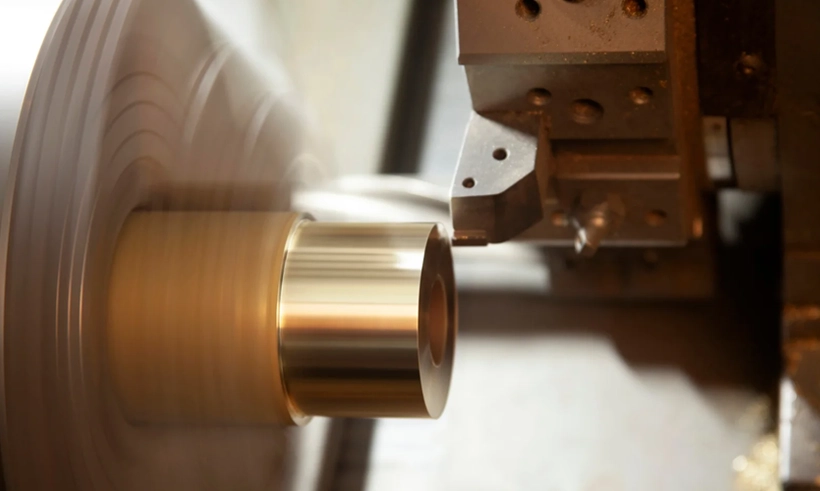
Generally, secondary processing is about the processing progress of plastic injection molding products. It means the process of doing a second process on the part surface after plastic injection molding so as to make its surface satisfy the customized needs, and both of its outside and inside surface are qualified to customer’s expected properties.
For secondary processing in the industry of plastic injection molding, there are various types, such as screen printing, pad printing, heat transfer printing, water transfer printing, painting, powder coating, ultrasonic welding, laser etching, anodizing, electroplating, IML / IMD, etc.
Here are some advantages of secondary processing.
1.It is helpful to improve the product surface quality.
2.It can increase product life.
3.It helps to improve product corrosion resistance.
4.It is beneficial for adding product features.
5.It also helps to increase product added value.
6.It saves time and cost for customers as well.
In plastic secondary processing, there are several common quality defects.
1.Painting: thin oil, less oil, frying oil, oil accumulation, dust spots, wrinkling of orange peel, polished mark, color difference, oil residue, etc.
2.Hot stamping: dust spots, wrinkles, dents, burnt, peel-off, and so on.
3.Screen printing/pad printing: ghosting, blurred fonts, lines without smooth, different font formats, color difference, and so on.
4.Flying oil: means the paint adhesion appears on the non-painting area, which is usually for the reason that the painting fixture and the product are not consistent in size. Besides, inappropriate fixture design or loose fixture not assembled in place will also lead to flying oil issues.
5.Oil accumulation: This means the spray is so thick that caused excessive paint accumulation. And the reason for this issue is spraying too much on the part. At the same time, it leads to wrinkle or orange peel on the part surface.
6.Color difference: is the deviation among the painting color, the model, and the color palette, which is because of the poor paint quality, improper paint ratio, or irregular painting movement.
Screen printing means using silkscreen as a plate base, a screen printing plate with graphics and text is completed by the way of photosensitive plate making. Screen printing includes these five elements: screen printing plate, scraper, ink, printing table, and substrate. Screen printing is based on the principle that the mesh of the graphic part of the screen printing plate can penetrate the ink, while the mesh of the non-graphic part cannot penetrate the ink.
Pad printing is one of the special printing ways in secondary processing. Through this way, text, graphics as well as images can be printed on the surface of irregular and heterogeneous objects, and now it has become more and more important in our daily life. For example, surface text and patterns on mobile phones are printed in this way, and the external printing of many electronic parts such as computer keyboards, instruments, meters, etc. is all done by pad printing.
There are several advantages of screen printing in secondary processing.
(1) It is not limited by the size and shape of the substrate.
Screen printing can not only print on a flat surface, but also print on molded objects with special shapes (such as spherically curved surfaces), and even shaped objects can be screen printed as well.
(2)The layout is soft and flexible.
(3)It has Strong ink coverage.
(4)The ink type is not restricted.
(5)The finished product is not affected by temperature or sunlight.
(6)It has flexible printing methods.
(7)It is convenient in plate making, low in price, and easy-to-master in technology.
(8)It has strong adhesion.
(9)It can be printed either by hand or by machine.
(10) It is suitable for long-term display, which makes outdoor advertisements more expressive.